 Free Click & Collect within 30 minutes
 Free delivery on orders over £39.99
 Free Next Day Delivery on orders over £75
 Gift Cards available

Toys Vs. Tech: How Toy Story 5 Raises Legitimate Questions About the Future of Play
7 min read
Last Modified 3 August 2026 First Added 9 April 2026
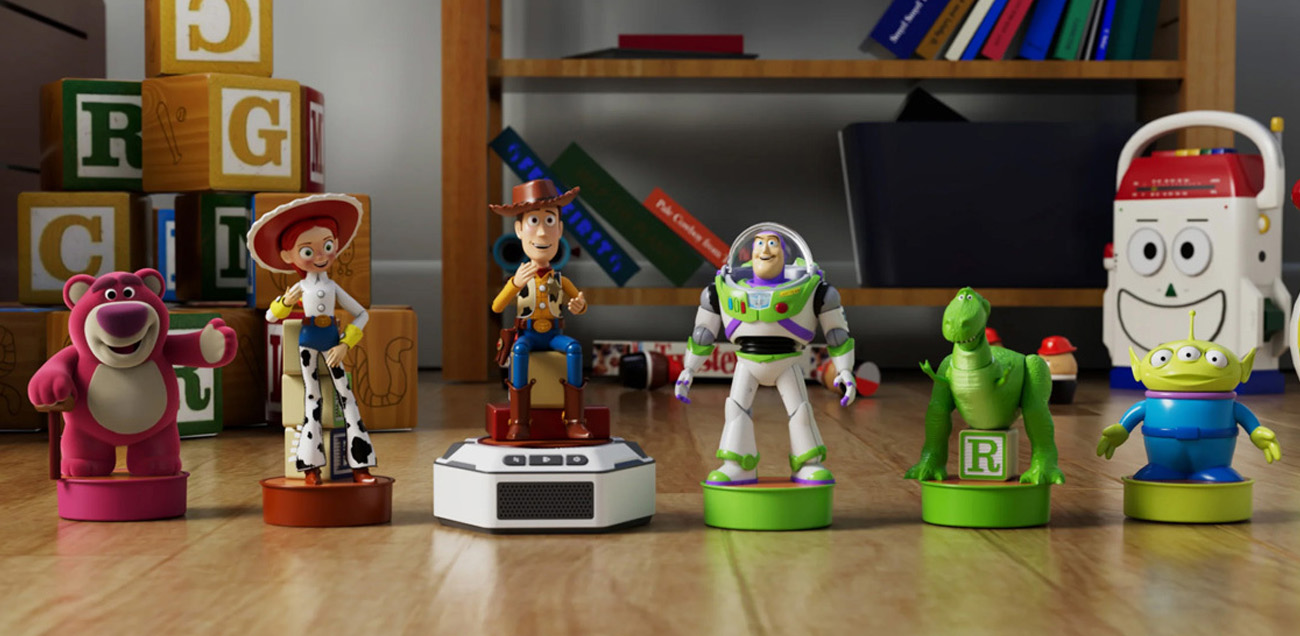
Toy Story 5 brings another sequel to the beloved series of films within the Disney Pixar’s Toy Story franchise, this time with a new antagonist who raises some interesting real-world issues.
In this film, Bonnie -the owner of the gang of toys- becomes obsessed with her new favourite plaything, a frog-like tablet named Lilypad. As she increasingly eschews playing with traditional toys for touchscreen devices, the toys must assess what playtime means as they deal with a very real existential threat.
So, what does the future of play look like in an increasingly tech first world?
Play has always changed along with society and technology, and in an increasingly digitised and technological world many more things now fight for the attention of children. However, surveys suggest that, as screen time increases, imaginative play is on the decline and this can have an impact on socialisation, motor skills development and more – so should this be a concern?
Each generation finds new ways to explore their imagination and connect with one another, and the internet generation may well play more together than others before but via online connected technologies. This also raises concerns over safeguarding and monitoring play but shouldn’t be seen as a negative in and of itself.
The rise of television saw concerns from parents over lack of outdoor play, then videogaming became a talking point of older generations. With each of these leaps forward, traditional play always held a place within households and finding the right balance of screentime and social play has always been key.
While in the film, the toys see themselves on the chopping block, part of its core appeal is the nostalgia around playing with action figures and dolls etc. so it, arguably speaks to a parental notion of play more than one of how younger generations view it. This also factors as a strength for it too though, as the massive appeal of it can also lead to children finding a new magic in more classic forms of play anyway. Balancing screentime and more traditional forms of play is perfectly achievable but it’s just the consideration of what a healthy split is and how to enforce limits.
Toy Story has never shied away from complex themes wrapped up in a colourful kid’s film and the latest entry in the series is no different there. Previous films have dealt with the notions of identity, change, purpose and belonging. These are all very existential themes that you wouldn’t necessarily expect from an animation but the gentle and thoughtful ways these concepts are introduced have been a major part of its success across generations.
With these same ideas now being tackled in a digital age, the film could well be seen as a social commentary on the changing nature of children’s play. The conflict between classic toys and high-tech alternatives places an interesting focus on how tech has shifted our perceptions of play, and perhaps, society.
Interestingly, the Toy Story franchise is no stranger to high-tech toys itself, with collaborations with Robosen, that sees AI led robot toy versions of the iconic characters come to life, many a tie-in videogame down the years, the characters also appear on games and educational apps that are used on phones and tablets.
There is a rising influence of tablets, consoles, VR, and AI‑powered toys in play today, and with changes in attention spans and play preferences, these perhaps just tap into a demand for more technology led products.
There does remain an ongoing relevance of tactile play though, to help develop open-ended and imaginative storytelling, which allows children to develop social skills, creativity, fine motor skills and more.
As such, there are naturally parental concerns around screen time and what it has to offer as an alternative, but it can be leveraged (with the right apps and games) to provide critical thinking, puzzle solving abilities and other key skills. By getting the developmental balance right encouraging tactile, making the time and space for those moments within the day, parents can get the best of both worlds.
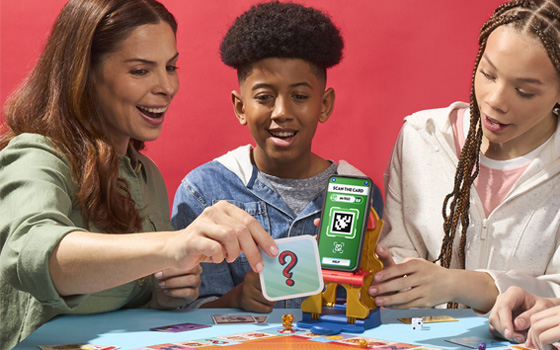
Toys and tech don’t have to be at odds with each other and there’s plenty of ways to make the most of blended play. Toy companies are meaningfully incorporating modern technologies into their products for enhanced play that still allows creativity and imagination to flourish but adds another dimension to play.
With augmented reality apps, and toys, they use digital devices to overlay interesting settings into the real world but still have a firm footing within it, encouraging children to go out and explore. The most notable of these in recent years being the Pokémon company launching their Pokémon GO app, where you can discover and capture Pokémon on your phone, by exploring the real world around you.
Moving away from screens entirely, LEGO have introduced SMART Play with bricks, tags and minifigures that react to how you move and play with your sets. Still allowing for the freedom of play with building new and exciting things but adding extra noise, lights, sound and motion. This allows children to still engage with the classic physical play that made LEGO the playtime powerhouse it is today but enriches it with technology that steers away from screentime.
How children play is still dictated by parents and what toys they offer but there’s a perfectly happy middle ground to be found. It’s just working out what works best for you and your family.
The importance of design intention and age-appropriate engagement can help you get to grips with what to introduce to your children and when. There is going to be increased pressure to provide them with screens and technology from peers around them but looking for age-appropriate items, and monitoring their time on them, can still allow them to develop those much-needed key skills, while still introducing them to tech.
Look at what the age guidance is on toys and tech before buying and set limits for how long children can be on screens. Provide them with alternatives, things like Tonies provide screen free story time alongside their favourite characters like Woody and Buzz from Toy Story, and rotate accessibility to toys so that sometimes children have to use their imaginations when playing.
The toy industry is always going to look for new niches to expand into and ways to make play more fun and engaging, but it also understands that classic play and childhood development is a crucial part of its business, so there will always be toys available for those who want those traditional values.
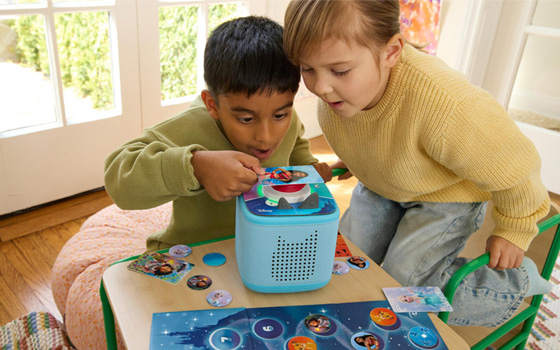
Toy Story has always been great at reflecting broader cultural zeitgeists, and Toy Story 5 is no different on how it touches on concerned parents’ questions over screentime.
However, the landscape of play is always shifting but the need for connection, engagement and shared storytelling remain timeless tenets of developmental fun and so there will always be something that draws on these instincts.
Technology itself is not problematic but how we use it can be and so it’s just finding sensible ways to ingratiate it into lifestyles without detracting from the fun of regular play.
Discover our Toy Story and Disney ranges and create your own adventures with Woody, Buzz and the whole gang.
Read our disclaimers.