 Free Click & Collect within 30 minutes
 Free delivery on orders over £39.99
 Free Next Day Delivery on orders over £75
 Gift Cards available

Sonic Celebrates 35 Years of Cool
7 min read
Last Modified 6 July 2026 First Added 15 May 2026
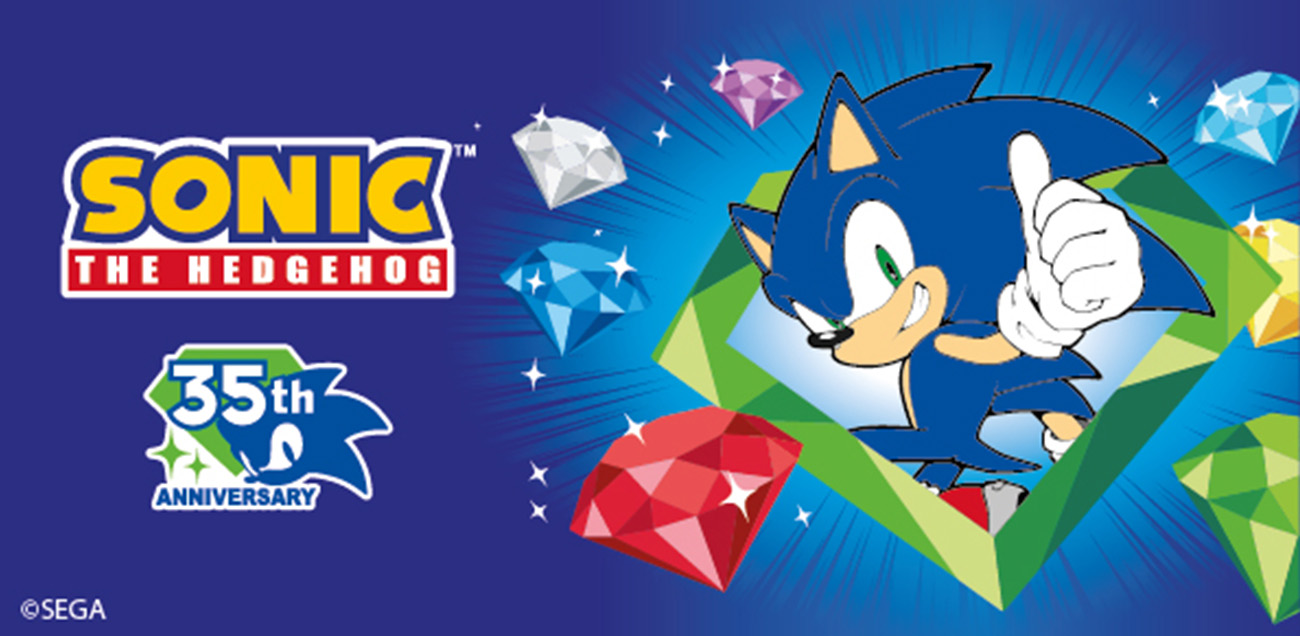
Gaming’s fastest icon turns 35 this year with his first ever videogame hitting European shelves on June 21st, 1991 (which was followed two days later by the US and a month later in Japan.) That’s right, in a rare twist of game release scheduling, the UK saw Sonic the Hedgehog before his homeland or the country that inspired his creation.
Now one of the most recognisable characters in all pop-culture, how did the Blue Blur gain such levels of recognition, and will he be slowing down anytime in the future? We take a look at what has made him such a fan favourite.
“SEGA does what Nintendon’t!” A famous marketing slogan from the 90s that really hammered home what the console wars were all about, and Sonic the Hedgehog typified all of that.
By the late 80s, Nintendo was dominating the home videogame market with their newer, more powerful consoles having overtaken the likes of Atari in popularity. SEGA had been in the field of creating consoles since 1983 but hadn’t been able to make too much impact on the gaming scene until 1985 when they launched their Master System. By 1988 they released their Mega Drive (known as the Genesis in North America) which saw them become a major player in the industry, but they were tired of being trounced by Nintendo. Something drastic needed to be done to wrestle attention away from them.
From 1986 through to 1990, SEGA had let their mascot be a big eared child called Alex Kidd, who had featured in several platform games and played rock paper scissors in order to defeat enemy bosses. He was popular but hardly an eye-catching representative of the brand and he largely disappeared into obscurity (although you can still pick up a remastered version of his better-known adventures on the Nintendo Switch). SEGA wanted a character that could really capture audience attentions and so set about looking for game that could really show off the power of their console with a character led design.
Looking at the success of Nintendo’s Super Mario, SEGA didn’t want to imitate him, they wanted to completely blow him away, so they set out to create a character that was everything Mario wasn’t. Mario spent time slowly colleting coins, so their character had to be fast, and collected rings. Mario was human so their character was to be an animal, Mario was voiceless and inexpressive, so their character had to have attitude and was impatient if you left them standing there too long, and Mario wore red so their character must be blue!
After running an internal competition to get some character deigns that appealed to US audiences down, the final three were chosen: A fat man with glasses who looked like former US president Theodore Roosevelt, a long-limbed bunny rabbit, and a spiky hedgehog with running shoes. The Roosevelt character would be repurposed as the main villain of the game Dr. Robotnik (later renamed Dr. Eggman) and the rabbit was the front runner, but when looking for a special attack the character could perform, hedgehogs could curl into a ball to defend themselves and this became a key part of the spin attack and so…Mr Needlemouse was born!
That’s right, for quite some time, Sonic was originally going to be called Mr. Needlemouse in reference to his sharp quills that could cut through enemies, but SEGA really wanted to play up the speed aspect of their new hero and so eventually settled on calling him Sonic, due to his incredible running speed.
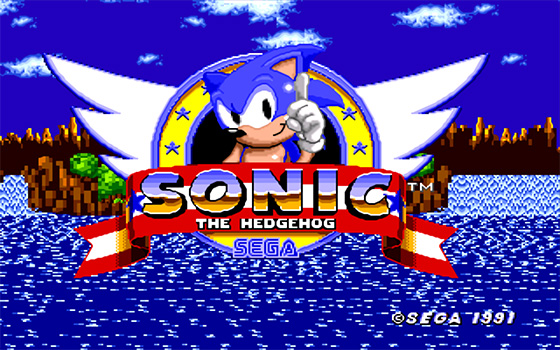
Throughout the 90s, SEGA and Nintendo battled it out for videogame supremacy and their mascots were pitted against each other as rivals. With each new game eyes were fixed on sales figures as they tried to one up each other through new powers, new adventures, and with new characters. What they weren’t expecting though was an upstart competitor to come from electronics giant Sony who, after working on an abandoned project with Nintendo, decided to turn the idea into their own console.
The original PlayStation launched in December 1994 in Japan and then September 1995 in Europe and North America bringing high-powered 3D graphics and new and exciting gameplay to the market. By the end of the decade, SEGA had seen their market share eaten away by this new competitor and less interest in their machines. Super Mario had successfully transitioned to 3D games, but Sonic was struggling to translate his speed into this new medium and so, in 1999 SEGA released their Dreamcast.
A well-received and much-loved games console, it was the first of its kind to have internet connectivity and Sonic Adventure, and the subsequent sequel Sonic Adventure 2, finally saw Sonic find his speedy footing in a new dimension. But the chunky controller and lack of early internet support for the Dreamcast saw it falter and when, a year later, the PlayStation 2 launched, it was quicker, better connected, had a built in DVD player and went on to dominate the market and become the bestselling console of all time! Dreamcast floundered and, although much loved by those who had one, never really sold well. Whilst Nintendo pivoted to creating more unique consoles with a family friendly essence to them, SEGA decided the time had come to just move into making games for other consoles and so Sonic was left without a home of his own.
Fortunately, his popularity allowed him to speed onto other consoles with ease, and you could now find him on Nintendo and PlayStation platforms, and by the time Microsoft’s Xbox rolled into the market, they also wanted a piece of the rapid action. By 2007, Sonic and Mario where even featuring in games together with Sonic and Mario at the Olympic games starting a series of shared Olympic tie-ins, and Sonic even turning up as a character on Super Smash Bros. games.
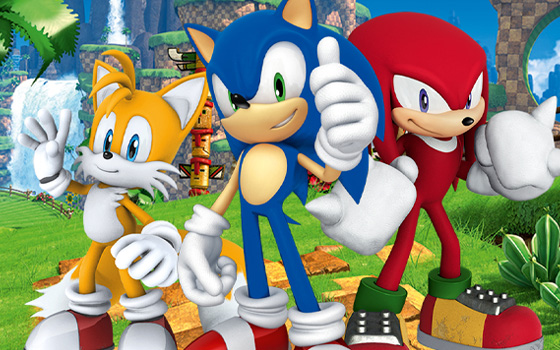
2020 saw the Sonic the Hedgehog movie hit our screens, but how had an icon of such stature never had their own film before? Afterall, he had comic books, board games, cartoons, backpacks, stationery, and anything else you can imagine, so why no film?
Well, actually, there was a 1996 Japanese animated film but, in a pre-internet age, it didn’t gain as much coverage or traction as films do nowadays, although some may fondly remember it. You can still find it online on YouTube and elsewhere.
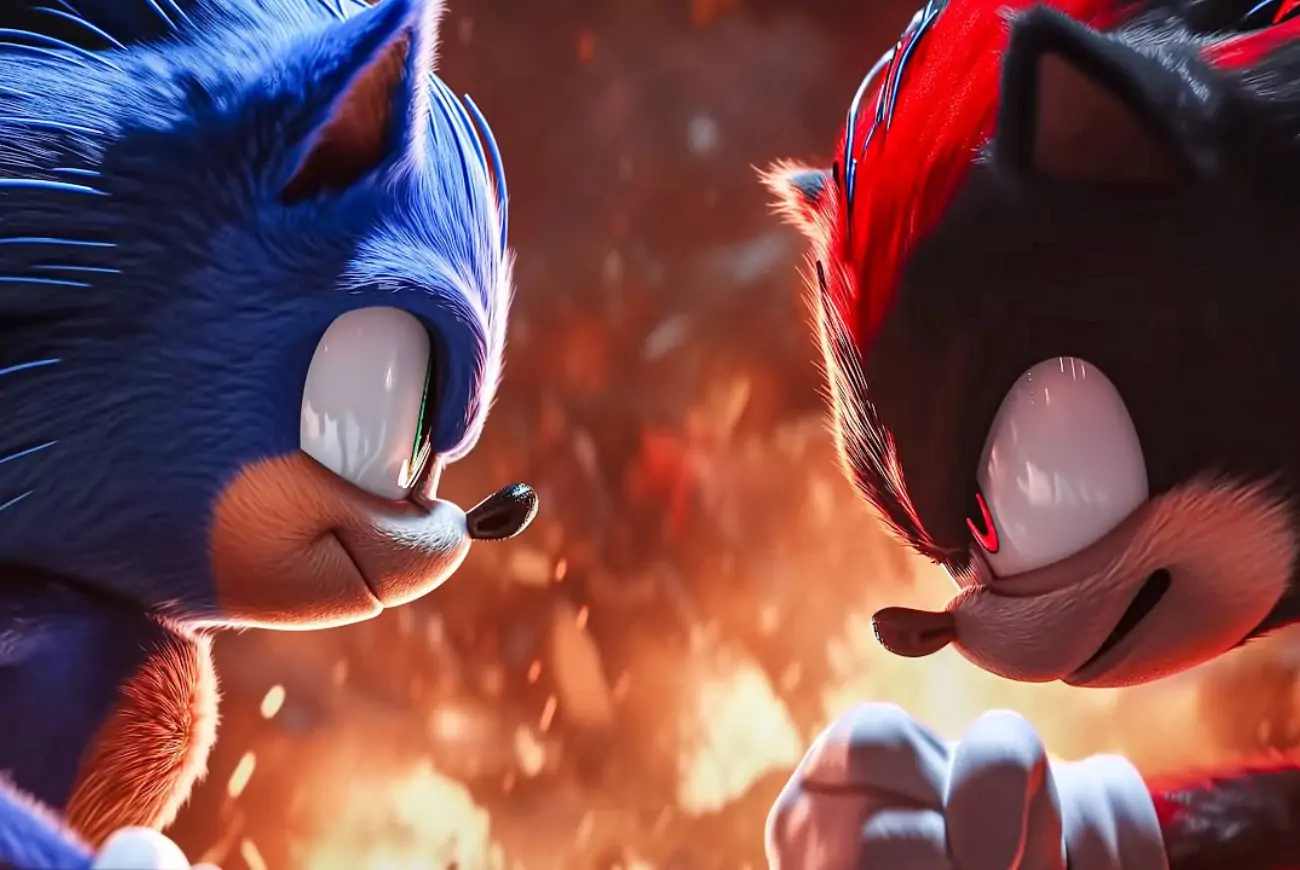
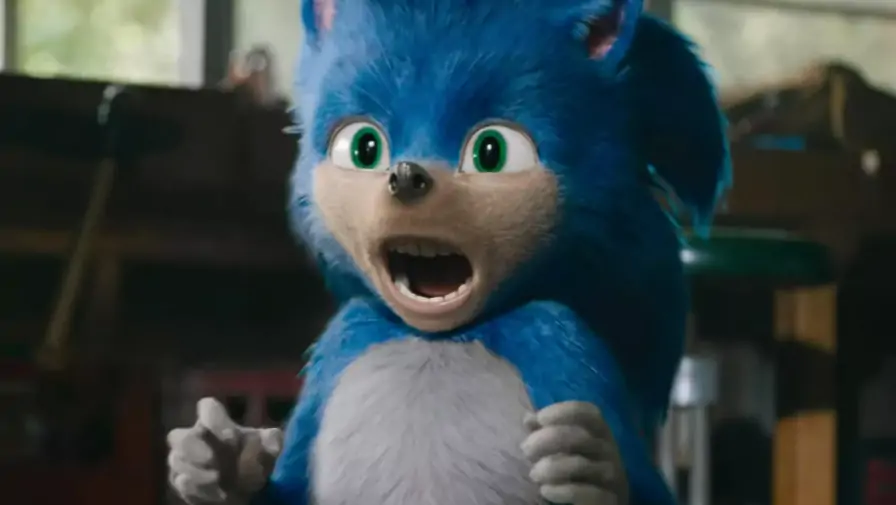
But this was Sonic’s first foray into Hollywood and fans were keen to see the filmmakers get it right. After initial designs were shown online, fans weren’t happy with how far the character’s look had moved away from some of his defining features. After an online campaign, he was redesigned before the release of the film and it went on to become a major success, with nods to many in game moments while bringing a new origin story to life. So far, there have now been three films in this series with a fourth on the way next year.
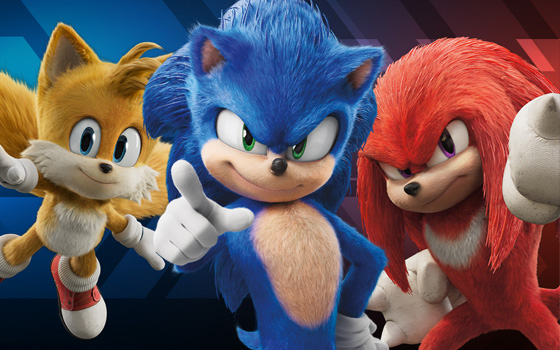
With 35 years behind him, does it look like Sonic will be slowing down anytime soon? Well, that’s unlikely with games always on the horizon and plenty of stories to tell in the increasingly popular film franchise but what is the hog doing to celebrate his birthday?
There’s collabs with the Formula 1 winning race team McClaren this year, with unique events, merchandise and posters popping up wherever they go. There are special toys and merchandise dropping throughout the year, so keep checking back on our Sonic section to see what we have in-store, and more announcements likely to come via SEGA throughout the year.
So, after 35 years, he’s only getting faster, with more friends, and ever more popular…here’s to many more!
Read our disclaimers.