 Free Click & Collect within 30 minutes
 Free delivery on orders over £39.99
 Free Next Day Delivery on orders over £75
 Gift Cards available

A Guide to PlayStation Consoles
7 min read
Last Modified 18 May 2026 First Added 18 May 2026
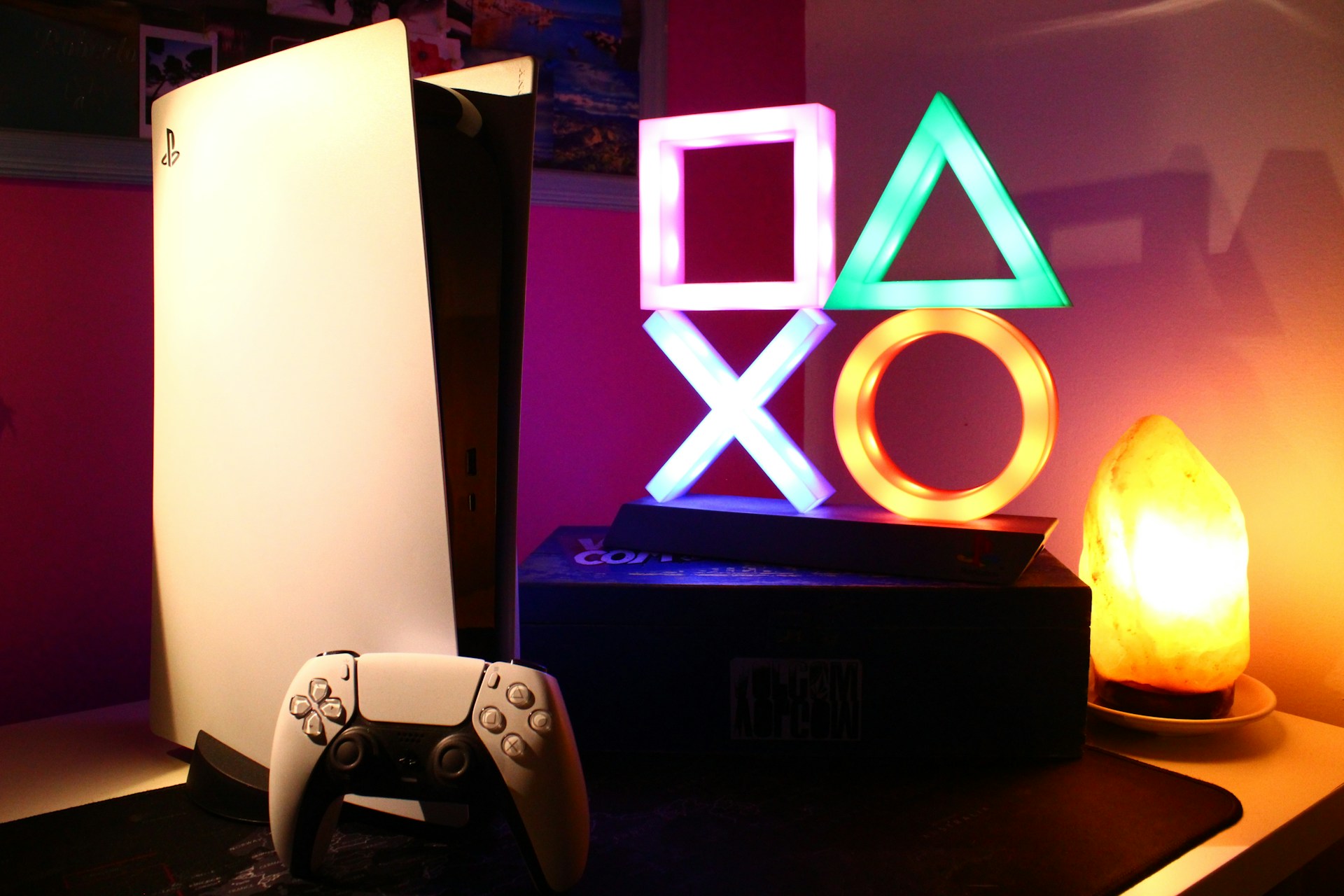
Since the launch of the very first PlayStation in 1994, it’s makers at Sony have gone from strength to strength with the PS2 going on to become the bestselling games console of all time and leading to the company dominating the console market.
Now on their 5th generation of consoles, PlayStation continues to be one of the most sought-after brands when it comes to home entertainment, so here we take a look at what’s made them so popular throughout the years.
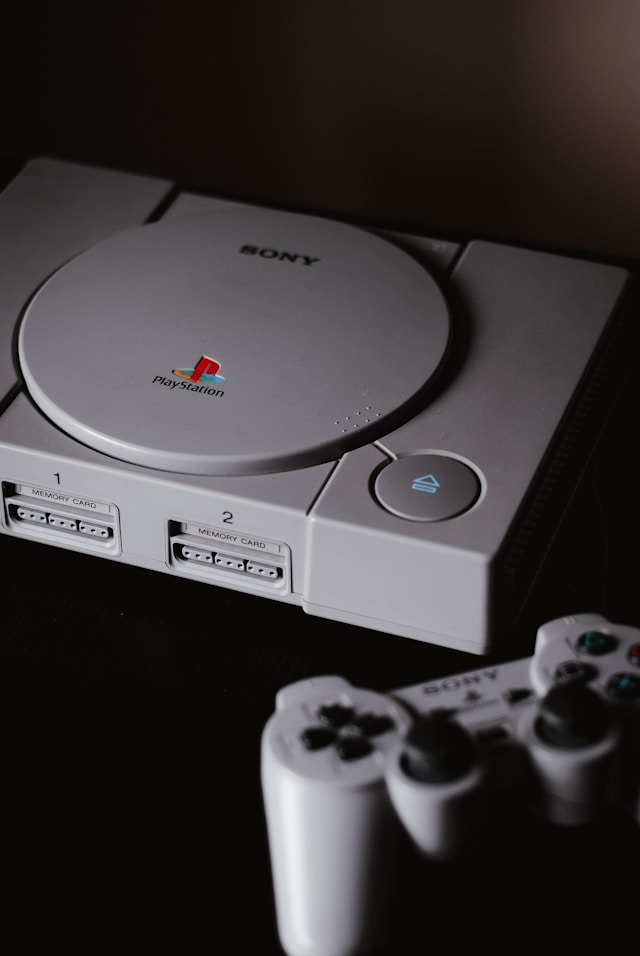
PlayStation (PS1) (1994): When the PlayStation first came out, videogames were typically played on chunky cartridges and games were blocky and limited in what they could do. The revolutionary 32-bit disc-based system pushed polygonal graphics forward and soon established those as the norm, as well as doubling as a high-fidelity audio system so proper soundtracks could be featured on games. With a massive library of games, it helped launch several massive franchises that continue to this day including Gran Turismo, Spyro the Dragon, and Crash Bandicoot.
Initially, Sony were working with Nintendo to develop a disc attachment for their consoles, but when Nintendo scrapped the project, Sony took what they had built and turned it into their own machine. Sony entered the market at a time when Nintendo and SEGA dominated home consoles, but with Sony’s PlayStation changing the game, SEGA soon switched to making only videogames for other platforms (including the PlayStation) and Nintendo pivoted their offerings to have more of a family focus.
A compact version of the PlayStation was released in 2000 as the PS one, with a smaller design and ability to directly attach a screen to the console itself.
PlayStation 2 (PS2) (2000): The follow up to the PS1 saw a more powerful unit with limited internet connectivity and some technical upgrades. Despite launching later than SEGA’s Dreamcast and being less powerful than Microsoft’s Xbox, the PS2 saw massive success thanks to its now established list of games, and its in-built DVD player which made it a full home entertainment system. It also saw more gaming icons come to the fore after starring on the console, like Ratchet & Clank, and Monster Hunter.
Going on to become the best-selling console of all time, its global popularity saw its production for an unprecedented 13 years, well into the lifetime of the next PlayStation console.
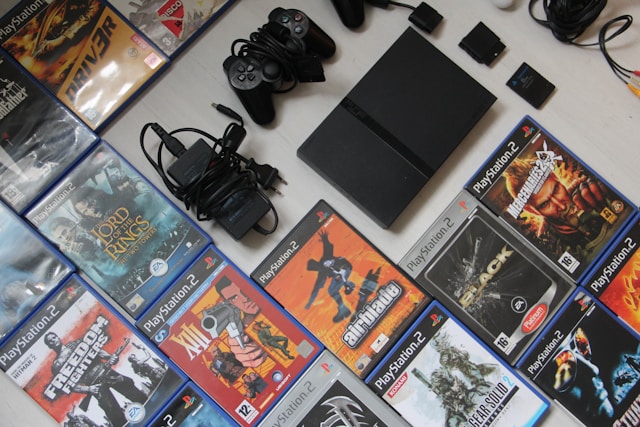
PlayStation Portable (PSP) (2004): With the unbelievable success of the PS1 and PS2 knocking Nintendo off their pedestal, Sony decided to go after their dominance in the portable console market. The PSP was their first dedicated handheld using a Universal Media Disc (UMD) format to take on the cartridges of the Nintendo and DS consoles.
It didn’t quite have the same cut through that Sony saw in the home console market but did launch a notable competitor to Nintendo who had long controlled handheld gaming thanks to their Game Boy systems.
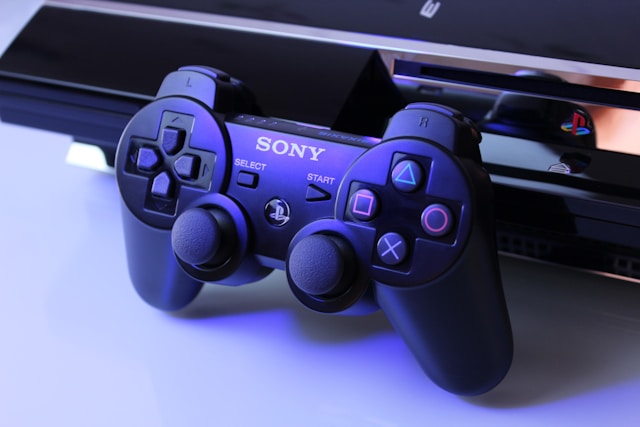
PlayStation 3 (PS3) (2006): Using the same model for success as the PS2, the PS3 came with Blu-ray playback, and also introduced gamers to the free PlayStation Network, meaning they could now access online features without having to pay a fee.
Not as critically well received as its predecessors upon launch, due to its high cost and limited number of games, it soon picked up steam with revised “Slim” and “Super Slim” models that redesigned the outer structure, as well as seeing multiple price reductions and a rapidly growing catalogue of titles throughout its lifetime.
PlayStation Vita (2011): The successor to the PSP, the PS Vita tried to bring as much power from home gaming to handhelds and featured dual analogue sticks and an OLED touchscreen. It had initial launch success, but big budget game creators continued to focus on home consoles and so it stuttered a little and had to pivot to trying to attract more indie developers.
In 2013, the PS Vita 2000 series was launched which was a slightly smaller version with better battery life and an LCD screen instead of an OLED one.
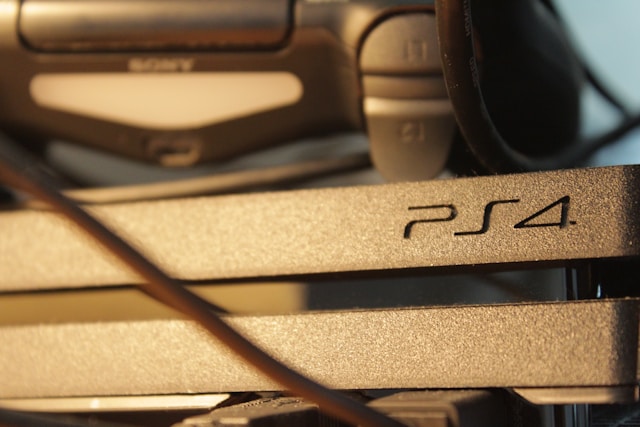
PlayStation 4 (2013): A powerhouse of a machine, the PS4 supported HDR10 high-dynamic-range video and playback of 4K resolution multimedia graphics continued to be pushed into more realistic and stunning settings.
With a focus on more social play, the PS4 could stream games to the PS Vita or to friends’ consoles if you logged in on your account. A “Pro” version was released in 2016 with even smoother graphics, alongside a “Slim” version that was smaller and sleeker.
PlayStation Classic (2018): To celebrate 25 years of the PS1, a mini, plug-and-play version of the retro console was released that came pre-loaded with 20 classic PS1 titles.
Older gamers could relieve the nostalgia of the 90s whilst younger gamers could experience classics for the first time in the setting they were made for.
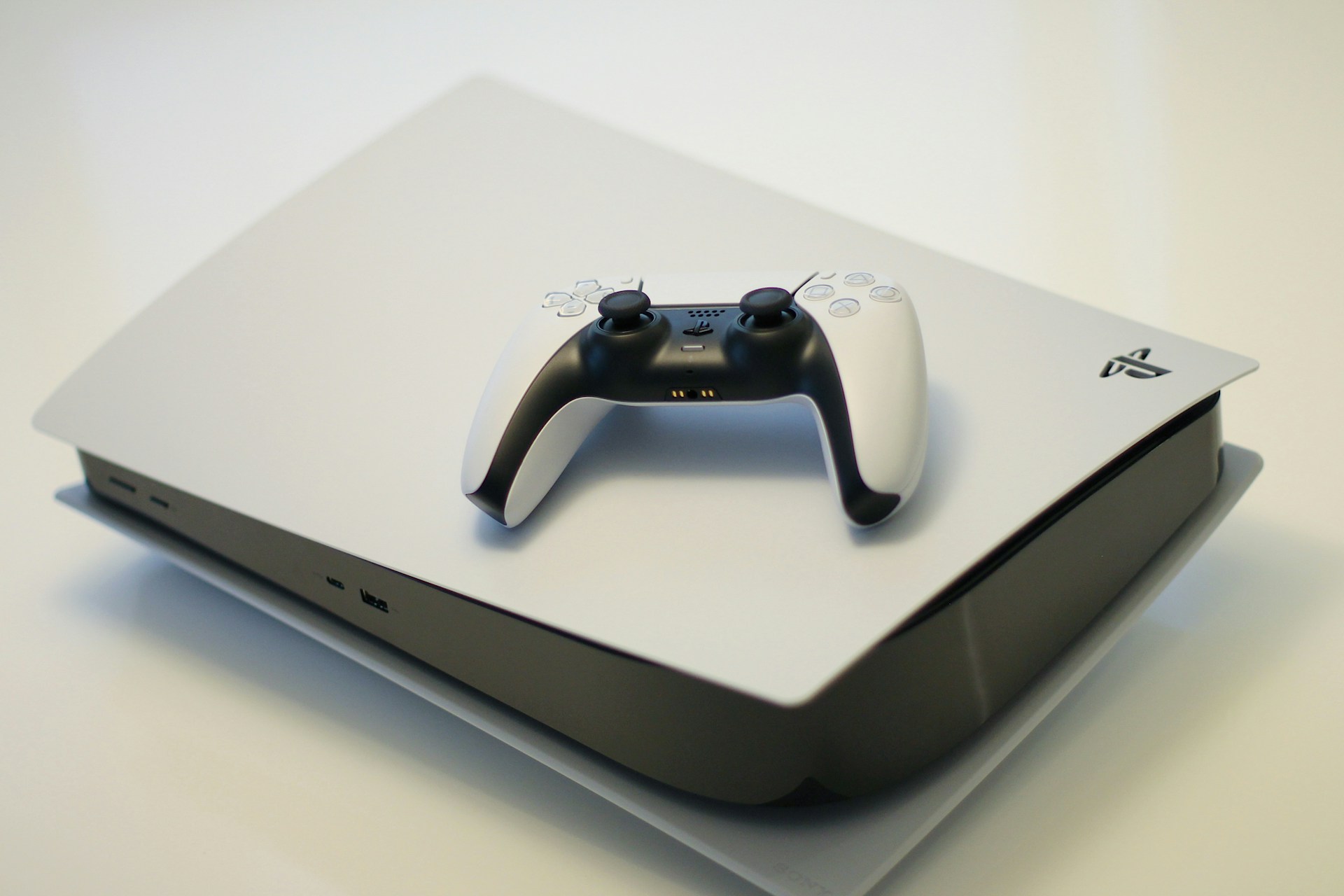
PlayStation 5 (PS5) (2020): The current flagship generation for Sony, the PS5 is their most powerful machine to date. With ultra-fast SSD storage and a haptic DualSense controller, games can utilise motion controls and haptic feedback for the most immersive home gaming experience yet. It is available in standard (Disc) and Digital editions meaning you can download games straight to the machine or discs can be bought separately. A PS5 Pro model has also launched with even better graphics updates.
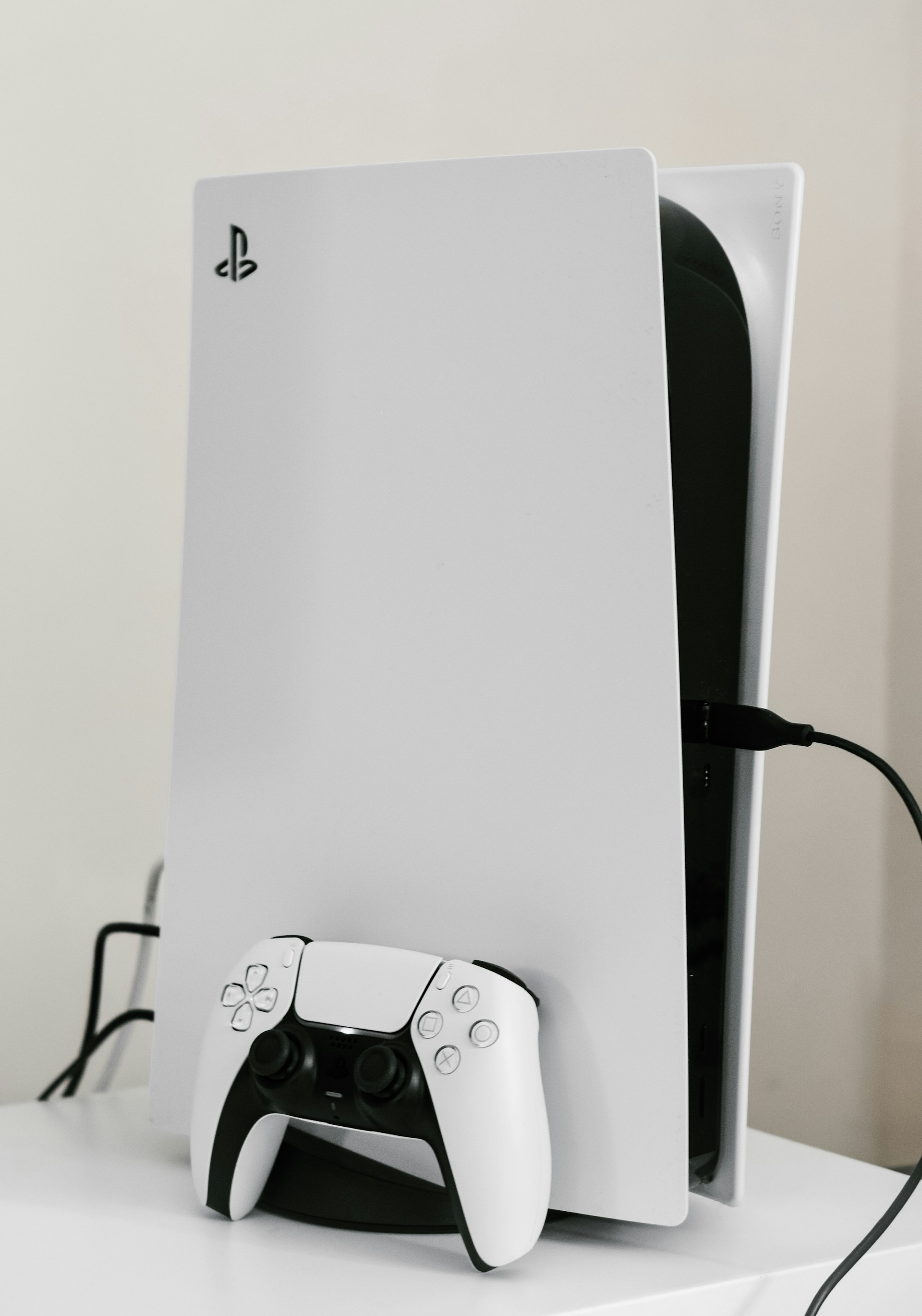
There are 11 major home consoles and three handheld ones under the PlayStation name so far with slightly different versions of some of these, with “Slim” and “Pro” models often being released within a system’s lifetime.
There are several rare editions of PlayStation consoles, usually made to commemorate milestones or as promotional materials. Some of these include the gold “10 million Edition” PS1, of which less than 100 were made and given out to Sony executives to celebrate over 10 million units of the console being sold, and the PS2 “Automobil Edition” which, similarly, was made to commemorate 20 million PS2 sales.
However, without a doubt the rarest is the original PlayStation Nintendo prototype that came from the cancelled partnership between Sony and Nintendo. Only one or two are confirmed in existence and it was designed to play CD ROMS on the old Super Nintendo Entertainment System (SNES) before being scrapped.
As of writing, the PS5 is the latest PlayStation with more games and accessories continuing to be produced for it throughout the next few years.
The planned release window for the next PlayStation console will be around 2028 to 2029, so there is no imminent release of the PS6 coming soon. However, history shows that, as technology ages and demand for newer and more powerful games continues, it is more than likely another model will be made eventually.
The PS5 took the innovations of the PS4 and added to them, making it more powerful and with better graphical output. It also has its own technological improvements to provide more interactive gaming.
The PS4 can still be bought for a cheaper amount than the PS5, with games still available. However, most game developers have switched their focus to the newer console and Sony will be ending support for the PS4 this year (2026).
Read our disclaimers.