 Free Click & Collect within 30 minutes
 Free delivery on orders over £39.99
 Free Next Day Delivery on orders over £75
 Gift Cards available

Christmas Gifts Children Can Create at Home
6 min read
Last Modified 7 September 2026 First Added 7 September 2026
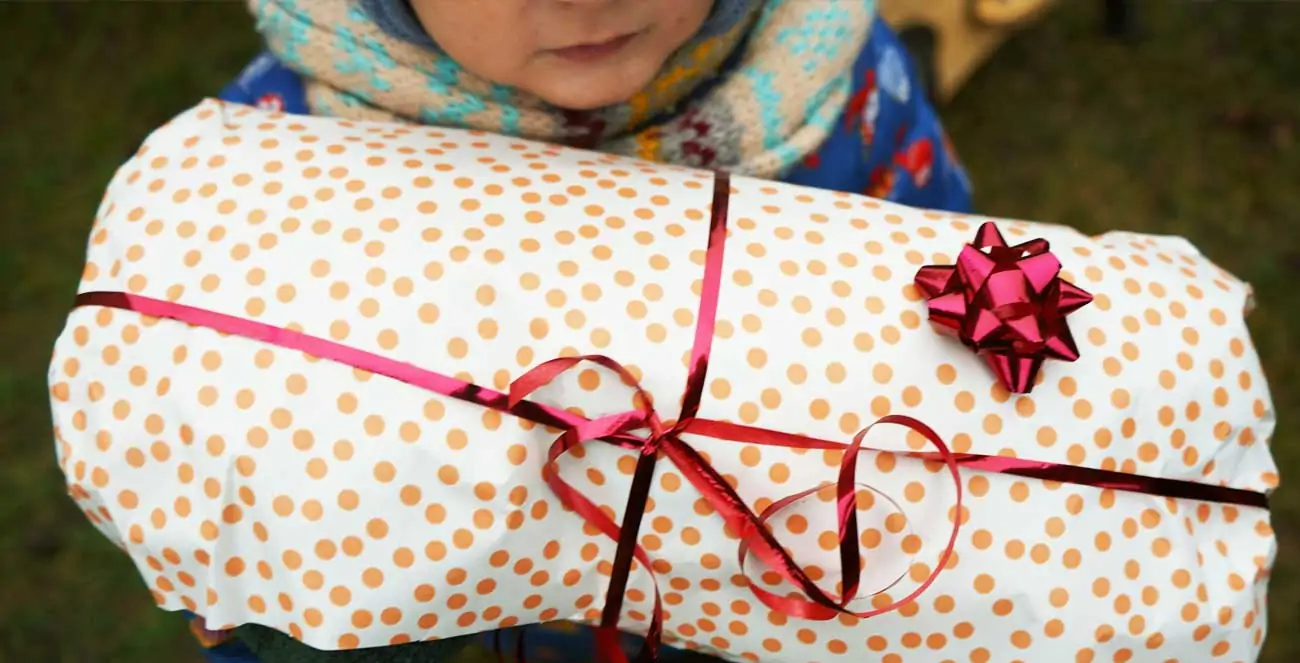

There is something extra special about a Christmas present made by little hands, from the time and effort given to the small personal tweaks using a favourite colour or flavour. Homemade gifts also give children the chance to slow down, create with purpose and really think about the person who will receive their surprise. Why not turn an ordinary December afternoon into a memory: paint on the table, flour on noses and plenty of proud smiles. Best of all, you do not need complicated equipment or perfect results. A wonky star, a thumbprint or a child’s handwritten label is exactly what makes each present unique.
Try these three easy ideas with children of different ages. Set out the materials before you begin, cover your work surface and let children choose colours, flavours and finishing touches. Adults should supervise throughout, handle hot trays and sharp tools, and check every gift is suitable for its recipient.
Give someone a cheerful collection of original art they can display all year. This project works brilliantly for different ages – toddlers can print and scribble, while older children can draw detailed pictures or write messages and pick some favourite photos from the year to include too. Personalise the art with a theme the recipient loves, such as garden creatures, favourite toys, family adventures or colourful patterns.
You will need: thick paper or card, washable paints or felt-tip pens, stickers, child-safe scissors, glue, recycled cardboard, string and mini wooden pegs.
Encourage children to sign their work and say why they chose each picture. Write their explanation on the back if they are too young to do it themselves. This makes the gift more than a decoration: it becomes a snapshot of their interests, imagination and mark-making at this moment in time. Roll or fold the display carefully, wrap it in tissue paper and finish it with a hand-decorated gift tag.
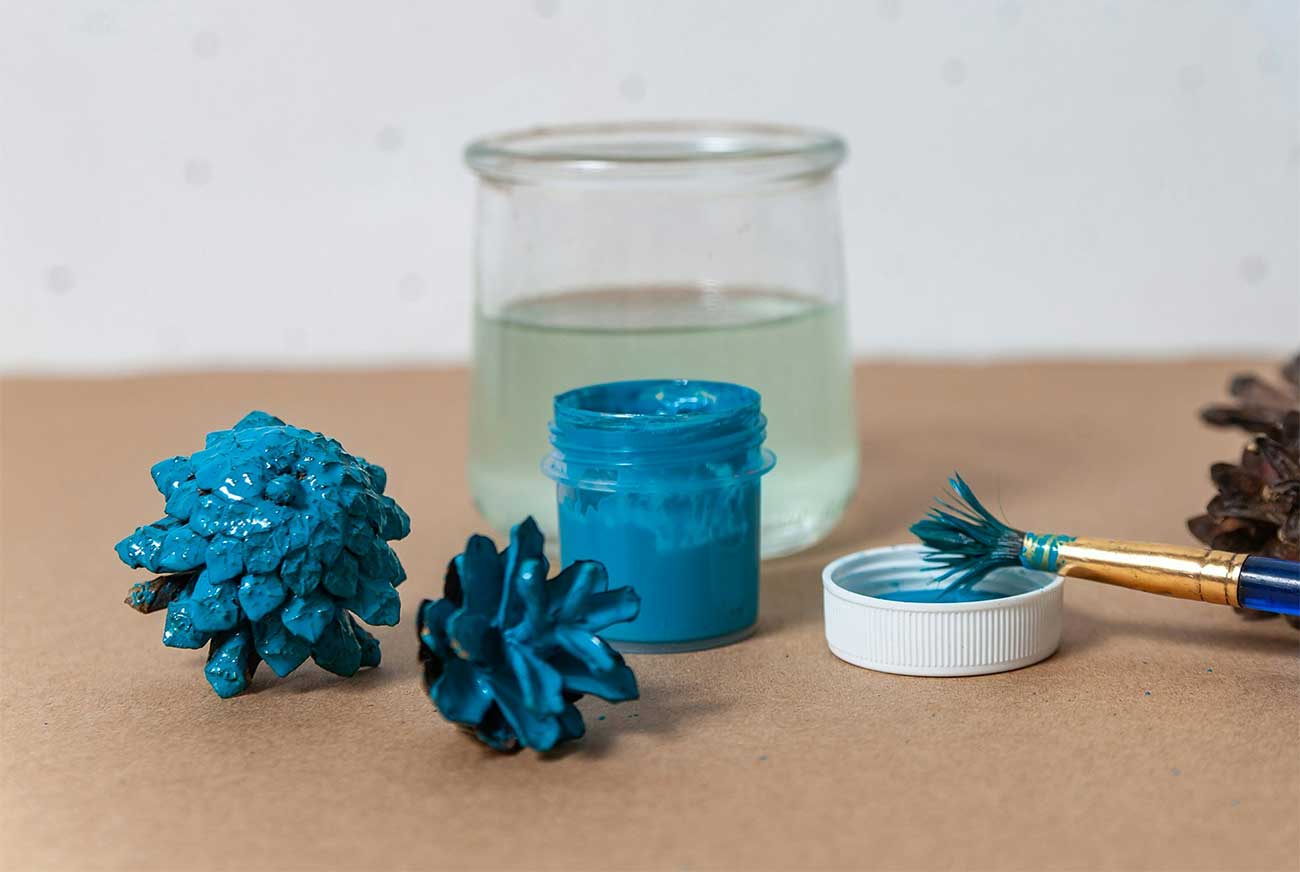
Begin with a winter walk and collect a few fallen, open pine cones. The search is part of the fun: comparing shapes of different cones and choosing one that stands upright like a miniature fir. Bring your finds home, brush away loose dirt, check carefully for tiny insects and leave the cones somewhere warm and ventilated until completely dry. Never pull cones from living trees, and wash hands after handling natural materials.
You will need: a dry pine cone, washable green paint, a paintbrush, child-safe PVA glue, small pom-poms or paper dots, a cardboard base, ribbon and a paper or card star.
This tiny tree makes a charming decoration for a grandparent’s mantelpiece, a teacher’s desk or the family Christmas table. For a more natural look, skip the paint and dab only the tips with white paint for a snowy finish. The recipient can bring it out each year, turning a simple woodland find into a lasting family keepsake.
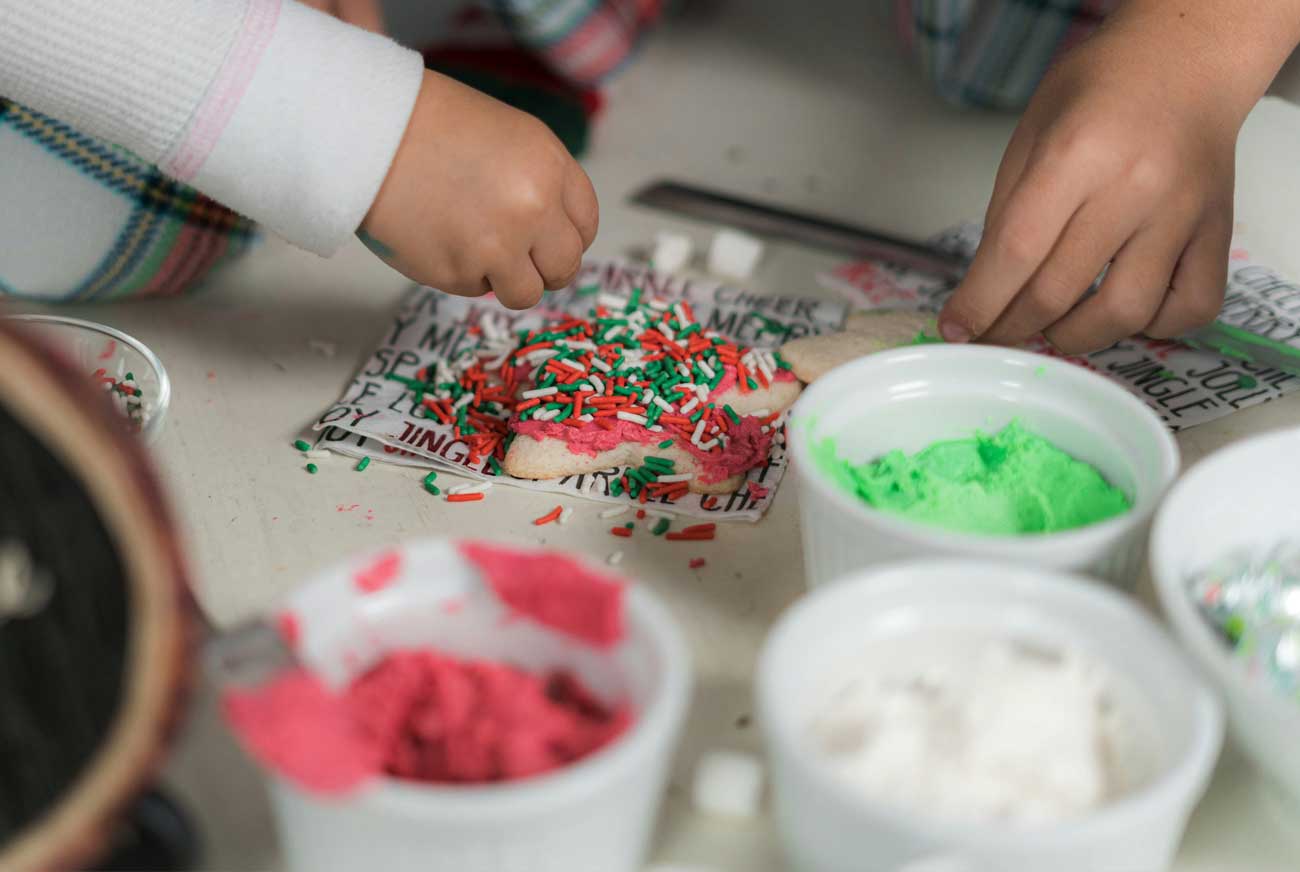
A baking gift offers two activities in one: children prepare the present, and the recipient gets the pleasure of baking it. Layering dry ingredients in a clear jar looks festive and helps children practise measuring, counting and following a sequence. Use a thoroughly clean, dry jar with a secure lid, and choose a trusted biscuit recipe that you have tested beforehand.
You will need: the measured dry ingredients from your chosen recipe, a food-safe jar, a funnel or rolled paper, ribbon and a recipe card. Depending on the recipe, layers might include flour, sugar, oats, spices and chocolate chips; keep the raising agent mixed evenly through the flour rather than leaving it as a separate layer.
Food gifts need extra care. Clearly list every ingredient and allergen, avoid making assumptions about dietary needs, and ask an adult to check the label. Keep the jar away from heat and moisture and include a use-by date based on the shortest-lived ingredient. When the recipient bakes the biscuits, an adult should supervise the oven and handle hot trays.
Homemade wrapping completes the experience. Turn brown paper into festive gift wrap with potato-print stars, crayons or stamps. Reuse ribbon, decorate a paper bag, or add a sprig of rosemary beneath the bow. Children can make tags from old Christmas cards and write one thing they love about the recipient inside. Remember that berries, leaves and other found materials may be unsafe if touched or eaten, so choose additions carefully and supervise, and of course don’t forget the decoration!
Keep the mood relaxed and let children lead the creative decisions. Younger makers may need jobs such as choosing colours, pouring oats or sticking on decorations; older children can read instructions, calculate quantities and design packaging. Avoid correcting every uneven line. Homemade gifts are valuable because they show care, not because they look shop-perfect.
A pine-cone tree, a miniature gallery and a baking jar each give children a meaningful role in Christmas giving. They use simple materials, invite plenty of imagination and can be adapted for different ages and abilities. Put on some festive music, gather your supplies and enjoy the making as much as the giving. The finished presents may be small, but the time, thought and love inside them are enormous.
Read our disclaimers.