 Free Click & Collect within 30 minutes
 Free delivery on orders over £39.99
 Free Next Day Delivery on orders over £75
 Gift Cards available

What is a TCG? Trading Card Game Explained
6 min read
Last Modified 7 July 2026 First Added 5 June 2026
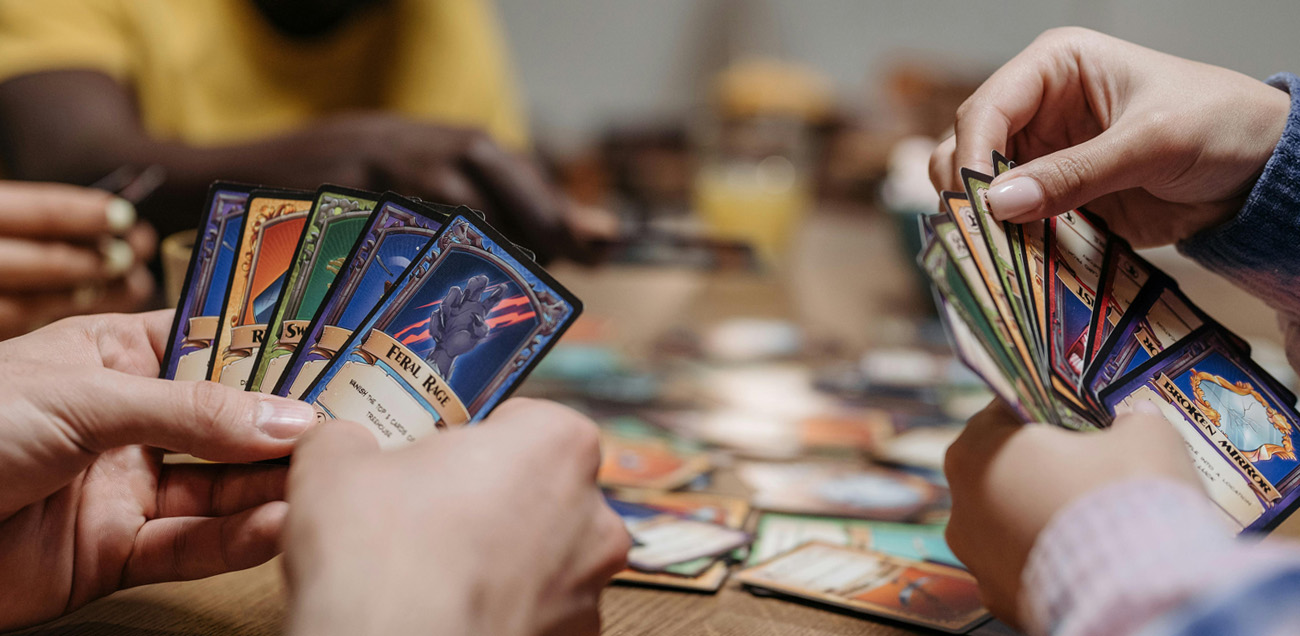
Trading Card Games (TCGs) are everywhere now, and the likelihood is, even if you’re unaware of it, you’ve probably heard of at least one. Starting with the inception of Magic: The Gathering (MTG) in 1993, TCGs are strategy card games where players collect cards that can be traded and sold, to build customised decks in order to play against other players. These can be bolstered by buying randomised booster packs, that are often pocket money prices, to assist in their deck-building quest. Three of the biggest TCGs right now are Pokémon, MTG and Yu-Gi-Oh!
The trading aspect of these games have become a massive part of the culture, with many people solely becoming collectors rather than playing the game, something that Pokémon has typified very well, despite having a massive number of players too.
Whilst different TCGs will have different rules of play and different mechanics, the core mechanics will be balancing resources to summon/cast the cards you need to win the game. As you build knowledge of the game, building different strategies can become a core part of your collecting and trading, finding the cards you need to succeed.
You’ll either be aiming to achieve a core objective or, more likely, reducing an opponent’s life points so that you can achieve victory. This will happen through phased game play where you can perform certain actions at certain points in the game or with each turn. You will then engage in combat or try to complete tasks in allotted turns as your opponent tries to do the same and hinder you.
Highly detailed cards that can be used in gameplay, they often feature fantastic artwork that is part of the appeal of collecting them. Distinct and delightful, cutesy and creative or sometimes gruesome and ominous, they can feature some stunning artwork in an array of eclectic styles.
Designed so that you can trade them with other interested parties so that you can swap any multiples you have or try and get your hands on something you need or want, the rarity and functionality of each card will factor into their desirability and how hard you will have to scour other collections to find them.
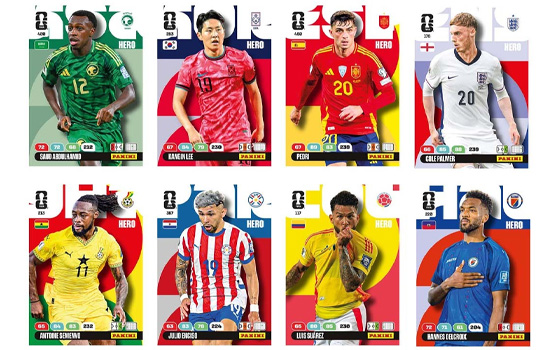
Sometimes trading cards don’t necessarily have a game behind them, like football cards from Topps Premier League and Panini, where you can assemble your favourite football players to trade with until you have the team you want.
If you’re a newbie to TCGs there will likely be some recurring terms that may baffle you a little, if you’re playing with more seasoned players. Here are a few phrases to look out for:
Card types and Rarity
Collecting Terms
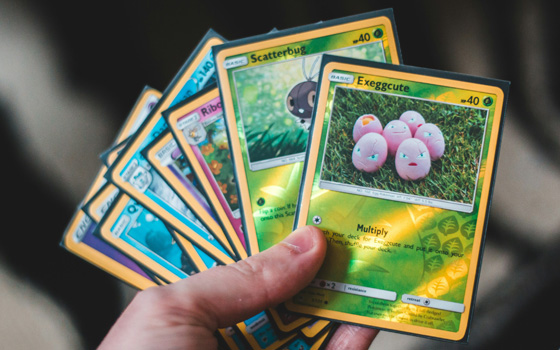
The popularity of TCGs has seen them become a great hobby for children and adults alike, often bringing different generations together over a shared passion. With so many great TCGs out there, there’s something for everybody to discover and sink their teeth into.
Read our disclaimers.