 Free Click & Collect within 30 minutes
 Free delivery on orders over £39.99
 Free Next Day Delivery on orders over £75
 Gift Cards available

What is LEGO Therapy and What are its Benefits?
7 min read
Last Modified 15 June 2026 First Added 30 March 2026
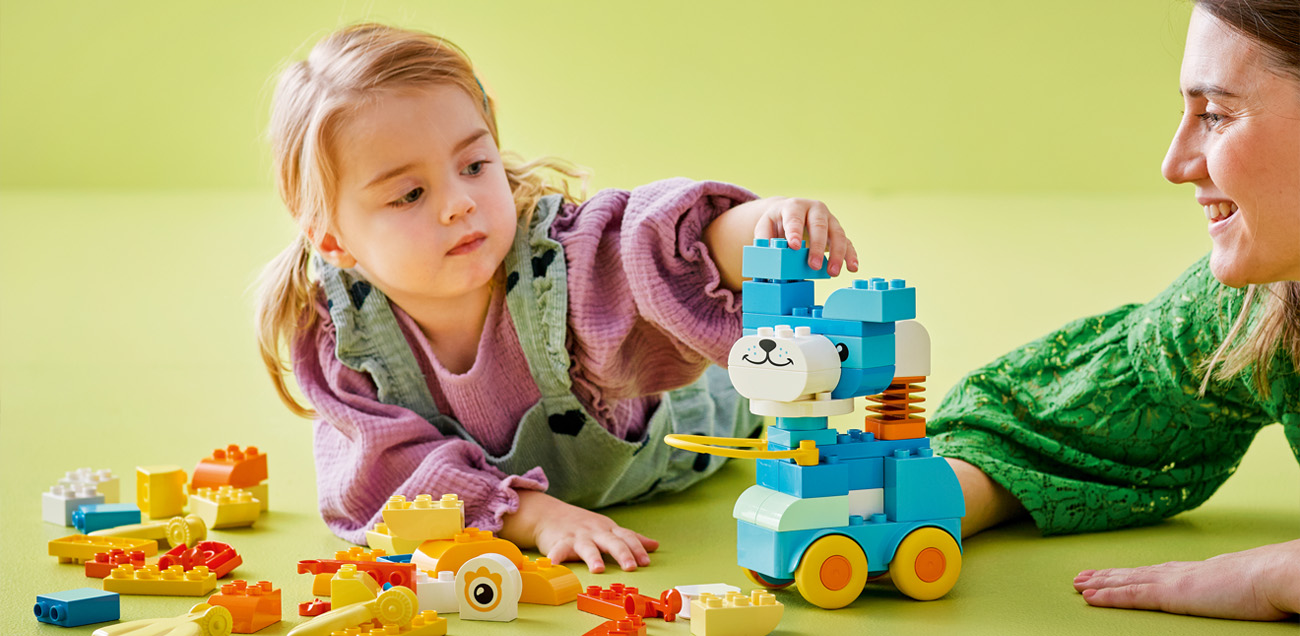
LEGO, the iconic building block that has a distinctive ‘click’. It’s one of the most popular toys in the world, with over 220 million sets sold annually but it’s far more than just a simple plaything. It’s been used for architectural designs, art projects and beyond, and also has therapeutic applications.
There’s growing evidence that using LEGO for therapy can aid with the development of social skills and communication. Originally developed for children with autism and those with social communication difficulties, LEGO therapy targets a skillset that is beneficial to a lot of children making it a helpful tool for many young learners, regardless of their needs.
Structured, play-based intervention, LEGO therapy has distinct and defined goals so is not just playtime with bricks (although this has its own benefits). Using the toy as an educational tool, Children work in small groups with assigned roles to complete builds, thus encouraging collaboration, communication, and compromise for the desired outcome that is acceptable to all involved. This requires sharing, turn-taking, and problem-solving as children work together in set roles. This breakdown of roles can help children manage frustrations with working alongside others, as well as developing clear and concise lines of communication.
The concept behind LEGO therapy was developed by Dr Daniel LeGoff in the late 90s, with the first major study being published in 2004. Since then it has gone on to be accepted by many medical institutions, being utilised by NHS foundations, amongst others.
Taking place in groups of three to four children, and one adult, there is a clear role system that existing, with children rotating these roles throughout the session:
Facilitator – The adult overseeing the session acts as the facilitator. Their job is to encourage positive social interactions and help children build social skills.
Engineer – The Engineer is in charge of the building instructions. They tell the Supplier which bricks to find and guide the Builder on how to put them together. The Engineer must give verbal directions and not insist others look at the instruction sheets.
Supplier – The Supplier collects the bricks from the brick bank and hands them to the Builder when the Engineer says so.
Builder – The Builder takes the bricks from the Supplier and adds them to the model, following the Engineer’s instructions.
With sessions lasting around an hour, children are encouraged to set their own ground rules within the building process and to use descriptive language, like size, colour and shape, to conceptualise what they are talking about. An introduction takes place to decide on what they are building or if they are continuing something from a previous session then the structured building takes place.
After the allotted structured building time, freestyle building can begin, where the children are tasked to create something of their own design together without the set roles but still using the communication skills they have been implementing previously.
The therapeutic goals are simple, show the benefits of clear communication with structured play that’s fun, and then allow the children to use what they’ve learned in a free-play setting.
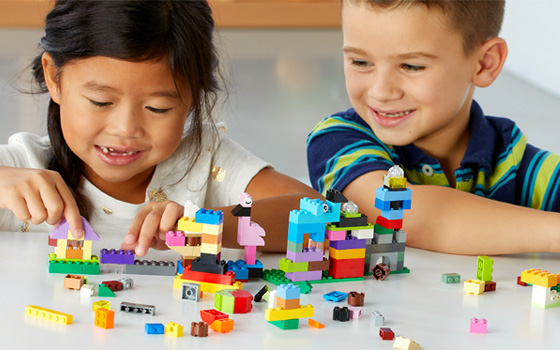
Children with autism experience empathy delays and so some research has shown that this structured format of learning to share and communicate via this form of play, that utilises an already existing interest to allow for social practice in a comfortable setting, can garner social improvements.
Findings from the National Autistic Society also saw an increased level of self-esteem in the majority of children, with outcomes showing behaviour that indicated an increased awareness of the feelings of others.
The same pilot from the National Autistic Society also suggested that children with speech and language needs benefit from an agreed shared language, with outcomes showing improvements in the flexibility of language used. If a child of one role was requesting something from another, then occasionally they’d have to adjust their vocabulary to give alternative instructions.
Improvements were also observed in the length of spoken sentences and the grammatical structures of sentences used.
Helping with focus and patience, the structured yet creative nature of the activity can engage children while delivering a sense of accomplishment. This can support those with societal-emotional challenges, by providing defined yet fun ways of working and playing together.
The principles of LEGO therapy can aid in the development of all children with its multifaceted approach taking in cognitive, emotional and social skills development. By building minds through building structures, LEGO therapy can provide the tools for a lifetime of long-lasting success in personal and professional settings.
The transformative power of play can effectively present a series of challenges that help build upon problem-solving skills, spatial awareness, teamwork, communication, conflict resolution and more.
With effective communication being a cornerstone of the therapy, this also encompasses social interaction and emotional regulation. As such, giving and following instructions and asking questions can be learned alongside dealing with frustrations positively. Fine motor skills and coordination are also developed by building shapes and finding the right blocks that work for your design.
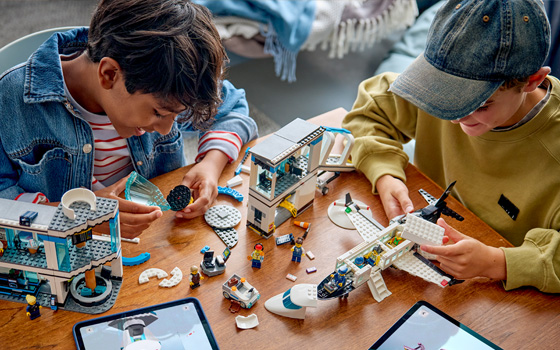
It’s not impossible to replicate something akin to LEGO therapy at home by creating a simple structure, with defined roles, when you play. Choose appropriate LEGO sets that match the ability of your children and ensure that completion is achievable.
When you play, try to facilitate rather than solve problems, developing independent thought and problem-solving skills. Of course, doing this at home can help support important life skills but if looking for support for emotional or developmental challenges, you should always seek professional help. Home activities are great, but they don’t replace work with trained professionals, especially when more intensive support is required.
While the therapeutic principles of LEGO therapy were designed around everyone’s favourite construction toy, they can be applied to other building blocks and activities with K’nex, and Mega Bloks working just as well.
For smaller hands, Duplo can inspire little learners, with their blocks being twice the size of regular LEGO blocks but still having the same purpose. Older children may be interested in LEGO Technic sets that utilise real engineering principles for more complex and mechanical builds, effectively acting as a STEM toy.
The notions of collaborative play can be used when making jigsaws, and you can apply the same sort of structured roles to it as well. Similarly, why not try cooking together or tidying up with assigned tasks to put those lessons into effective in a real-world way.
LEGO therapy programs can be found through specialised providers or local therapists, with resources being available and some even being supported by the LEGO Foundation. Some of these programs may offer the resources to implement these sessions at home for ease of access.
Some NHS trusts will offer LEGO therapy, as well as some schools, so it’s worth researching what your local provider can do for you and asking whether they might consider offering it in the future. Public service providers like these also not incur the same cost as a private healthcare option so may be a cheaper option to explore.
In 2004, psychologist Dr. LeGoff developed this approach in the United States. She noticed that many children with Autism Spectrum Condition (ASC) were drawn to blocks and similar materials during therapy because these items allowed them to create structure and order. Based on this observation, she designed a therapy method that uses the things these children naturally enjoy and feel motivated to work with.
Some of the key findings from this research found that it led to increased social initiations, improved communication, and benefits maintained over time.
It’s important to note that LEGO therapy is not the be all and end all of therapeutic solutions and is just another tool in a parent’s arsenal. However, the therapeutic value of play can create powerful learning opportunities be it through formal sessions or at home application.
With a wealth of LEGO, and learning toys available, as well as plenty of sensory toys, there’s always something to discover at The Entertainer.
Read our disclaimers