 Free Click & Collect within 30 minutes
 Free delivery on orders over £39.99
 Free Next Day Delivery on orders over £75
 Gift Cards available

The Ultimate Guide to Fidget Spinners & other Fidget Toys
7 min read
Last Modified 30 March 2026 First Added 30 March 2026
In 2017, the craze for fidget spinners exploded! Found on the fingertips of every school-going child, and plenty of older and younger people as well, these tri-armed toys were everywhere.
Over time, these developed into different shapes and sizes to keep people interested with the core spinning mechanic still intact. While the passion for fidget spinners isn’t what it once was, fidget toys as a whole are here to stay to keep minds active and fingers busy. Here we look at why fidget toys are so popular and how they can be used to aid in concentration and other areas.
Essentially, a small tactile toy that is designed for touch, fidget toys can be twisted, turned or manipulated in one or more ways ways to keep fidgeting fingers occupied and help calm restless minds.
Often used for stress relief or to help with focus, these toys can be popular with those who have anxious minds or are easily distracted, and they caught on because they satisfy a sensory experience. Clicking, spinning, flicking or rolling, the moving parts provide something to idly play with while still being able to concentrate elsewhere.
Some fidget toys allow for tricks and skill development, like classic yoyos or fingerboards, so that, while they remain accessible to everyone, they can be mastered through practice and continual use, having something of a skill tree to them. Combine all of this with relatively cheap price points and it’s little wonder that these fun, fidgety pocket money toys caught on.
Fidget spinners themselves have been around since the 90s but a lapse in the original patent meant they could be produced by many different manufacturers, and they soared to success in 2017 with many different versions.
Fidget Spinners: Designed to spin around a central bearing, these toys are handheld and usually have three paddles on them. Some are weighted and some incorporate LED lights, but the core mechanic is their spinning on a central point that can be easily held and twirled between thumb and forefinger.
Fidget Cubes: Tiny boxes that can fit in the palm of your hand, these cubes have different tactile functions on each face. Glide, flip, roll, spin, breathe and click your way into focus with this toy that great for adults and children.
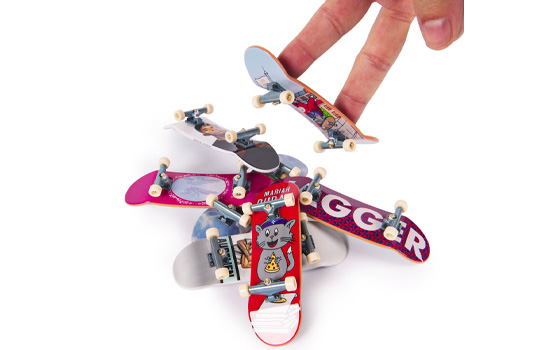
Fingerboards: Mini skateboards that you can roll around your desk, these are an awesome way to make your desk a radical place to shred. You can even learn flips and tricks on them to make grinding your gear all the more impressive. There are also handboards as a slightly bigger option.
Pop Toys: Pop toys are toys that usually have a rubber section filled with bubbles that you can push inside out to produce a sensation akin to popping bubble wrap. However, the thick rubber means you can push these bubbles repeatedly without fear of them bursting. Some of these are electric and have a memory mode to make a game of it, and some simply rely on the tactile fun of ‘popping’ them.
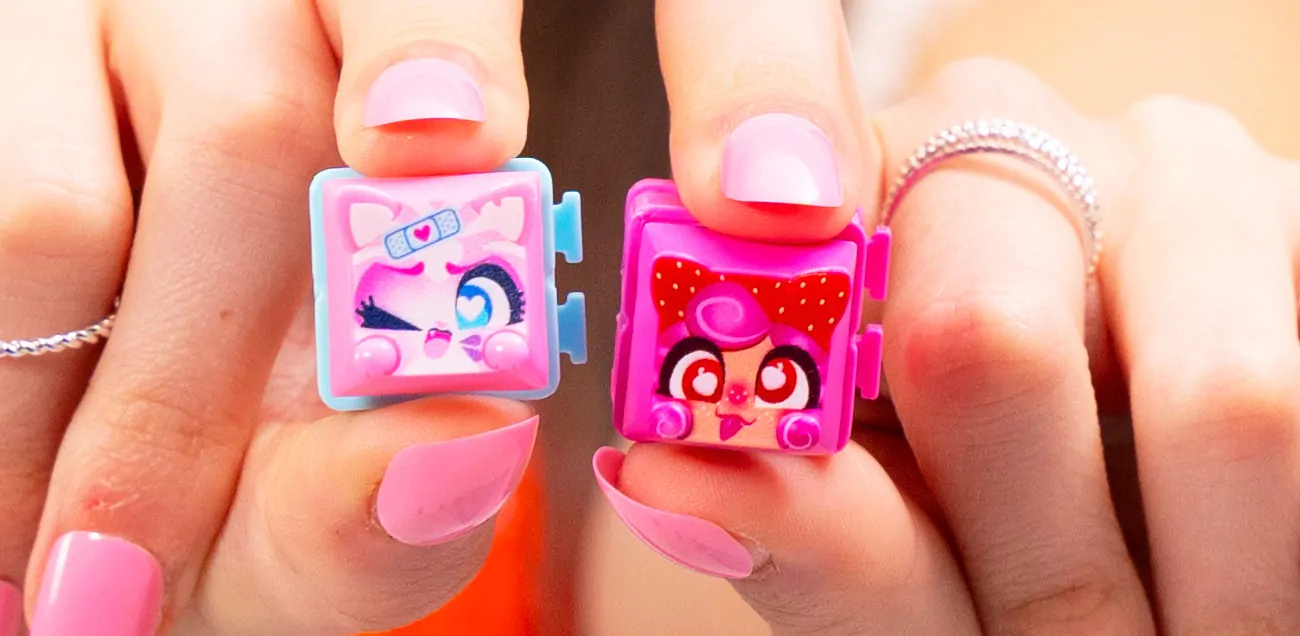
Clickeez: Tiny, clickable characters that come on their own keyboard keys. Collect them all and assemble your own keyboard for clicky keyboard or connect them together on keychains, to always have the ultimate fidget friend with you.
While the goal of fidget toys is to minimise distraction and help assist with focus, there is limited peer-reviewed science to back this and results are mixed with views on their effectiveness differing greatly. Anecdotal evidence suggests that they provide a healthy outlet for excess energy so can help those with ADHD and anxiety. However, they are not an alternative to evidence-based treatments and should only ever be considered a supplementary tool for self-regulation.
By providing a sensory outlet for stress and anxiety they can occupy restless hands and reduce tension. This can aid some in focusing on a primary task preventing them from zoning out or finding other distractions. However, they can also act as a distraction themselves, becoming unhelpful if they detract from the original task, are used for tricks more than concentration, or affect others in the surrounding environment. It’s important to find the right fidget toy, as someone might work better with a quiet stress ball rather than a whirring fidget spinner.
Fidget toys should be discreet, so as not to distract others, and provide a sensory input that is beneficial to the person playing with them. Observe them while they play and ask them what works best for them to get a handle on things that may help them concentrate best.
For some individuals, quiet fidgeting allows for better listening and information processing, so that they can dispel restless energy without mental distraction. This tactile feedback through touch can also help with proprioceptive awareness development, helping them follow the movement of a spinning arm or rolling wheel, to understand positioning and movement better.
Those with anxious thoughts can sometimes find that fidget toys provide a productive activity, working as a calming technique, with repetitive motion soothing frayed nerves and keeping their hands busy. Some people who have tried to quit smoking have found the benefit in fidget toys too as it helps occupy their hands and break the habit of picking up a cigarette.
With fidget toys that help develop skills (spinners, boards etc.), you can develop finger dexterity and improve coordination and fine motor skills through practice and repeated movement. And with pocketable portability, most of these toys are discreet and easy to take with you wherever you go.
Choosing a fidget toy will depend on your exact needs and wants, and how the person using it gets the most out of different items. However, there are some general things to keep in mind when selecting a potential toy.
Lightweight toys made of durable plastic are best so that they won’t hurt if dropped and are likely to survive scuffs and scrapes. Bright colours and engaging designs will hold their interest longer, and simple designs with few detachable parts will reduce the likelihood of breakages or loss.
Items that have some trick potential can start to be explored with different material options and personal style all coming into the mix. Look to balance quality and affordability for the best of both worlds.
More premium options are available, with weighted metal toys and intricate moving parts now a viable consideration. Sophisticated aesthetics and display worthy items that wouldn’t look out of place on a desk or shelf might be more enjoyable for this older crowd.
Finding toys without sharp edges and that operate smoothly without too much noise may be best for different considerations. Easy to clean or wipe down plastic and a comfortable grip texture may well factor into what works best for you.
Fidget toys are by no means a cure-all to lack of attention or focus and are simply a sensory tool, but for some people they can provide a genuinely helpful way to focus and relax. Others may just find them simple toys to play with and enjoy. Whatever you’re looking for, you can discover our range of sensory toys and fidget toys to find something to suit you.
Read our disclaimers.